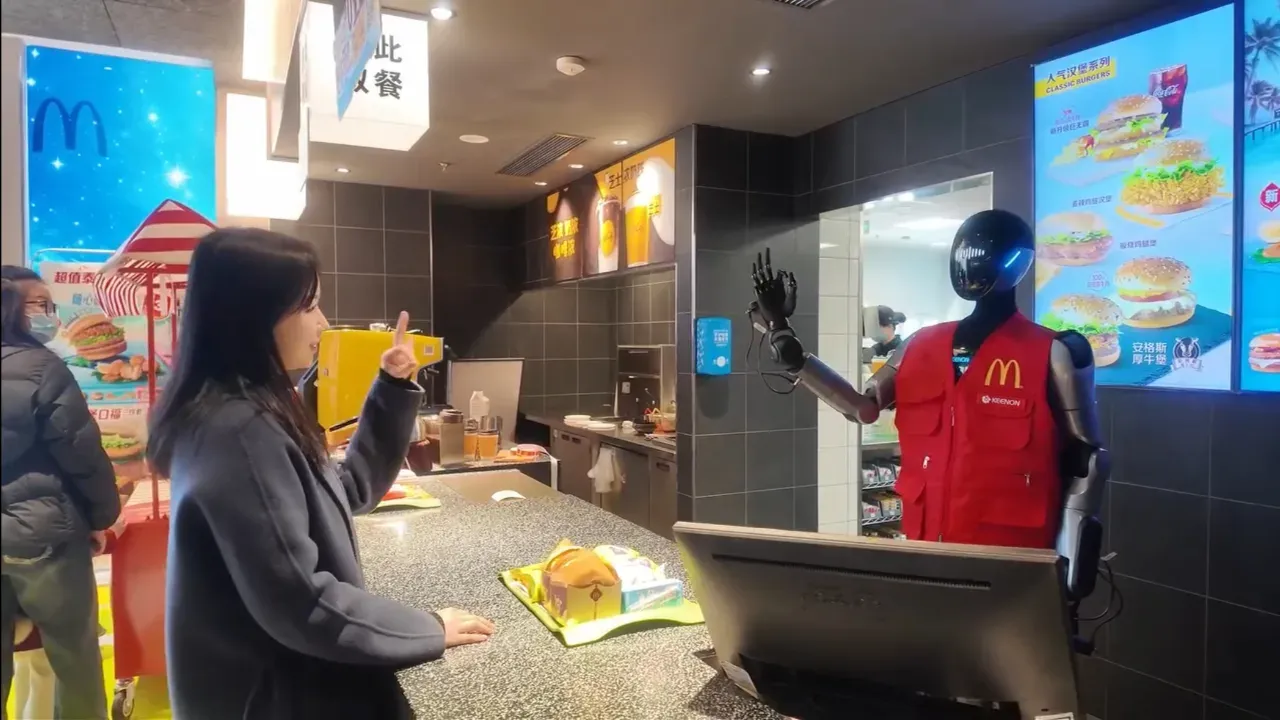
McDonald's Unveils Humanoid Robot at Shanghai Restaurant Museum Opening
Visitors to McDonald's new restaurant museum in Shanghai were greeted by a humanoid robot as the company showcased how robotics and AI could shape the future of customer experiences and restaurant operations.
If you've ever wondered what your next McDonald's visit might look like in ten years, Shanghai may have just offered a preview.
During the opening of its new restaurant inside the Shanghai Science and Technology Museum, McDonald's introduced visitors to a humanoid robot dressed in company attire, greeting guests and interacting with customers. Officially, the robot was part of the grand opening experience. Unofficially? The internet immediately started asking the same question: Is this the beginning of AI-powered restaurants?
McDonald's maintains that the robot isn't replacing employees, and that's true. Human staff continue to prepare meals, serve customers, and keep the restaurant running. But public demonstrations like this rarely happen in a vacuum. Whether the goal is marketing, research, or simply generating excitement, putting a humanoid robot in front of thousands of customers offers something every company values: real-world feedback.
How do people react? Do they smile, take photos, avoid it, or strike up a conversation? Those are insights no laboratory can fully replicate.
The timing also feels significant. Restaurants worldwide are racing to adopt artificial intelligence, from AI-assisted drive-thrus and automated ordering to kitchen robotics and predictive inventory systems. Humanoid robots represent the next frontier, one that moves automation out of the back room and into direct contact with customers.
China has become one of the world's fastest-growing markets for commercial robotics, making Shanghai a fitting stage for the demonstration. As advances in AI continue to improve speech, movement, and human interaction, robots are becoming increasingly capable of performing tasks that once seemed firmly reserved for people.
It's also worth remembering that today's "attraction" can become tomorrow's standard operating procedure. Self-service kiosks were once a novelty. Mobile ordering was once an experiment. Today, both are a routine part of the fast-food experience.
Does that mean humanoid employees are about to take your order? Not anytime soon. The technology still faces major hurdles in cost, reliability, and practical deployment. But if companies want to understand how customers will react to robots sharing the dining room, public showcases like this are a logical place to start.
Whether you see the Shanghai robot as a clever marketing stunt or an early glimpse of tomorrow's restaurant, one thing is hard to ignore: the conversation has already begun. And in the age of artificial intelligence, today's curiosity often becomes tomorrow's competitive advantage.

How OpenAI Is Trying to Rewrite the Water Story
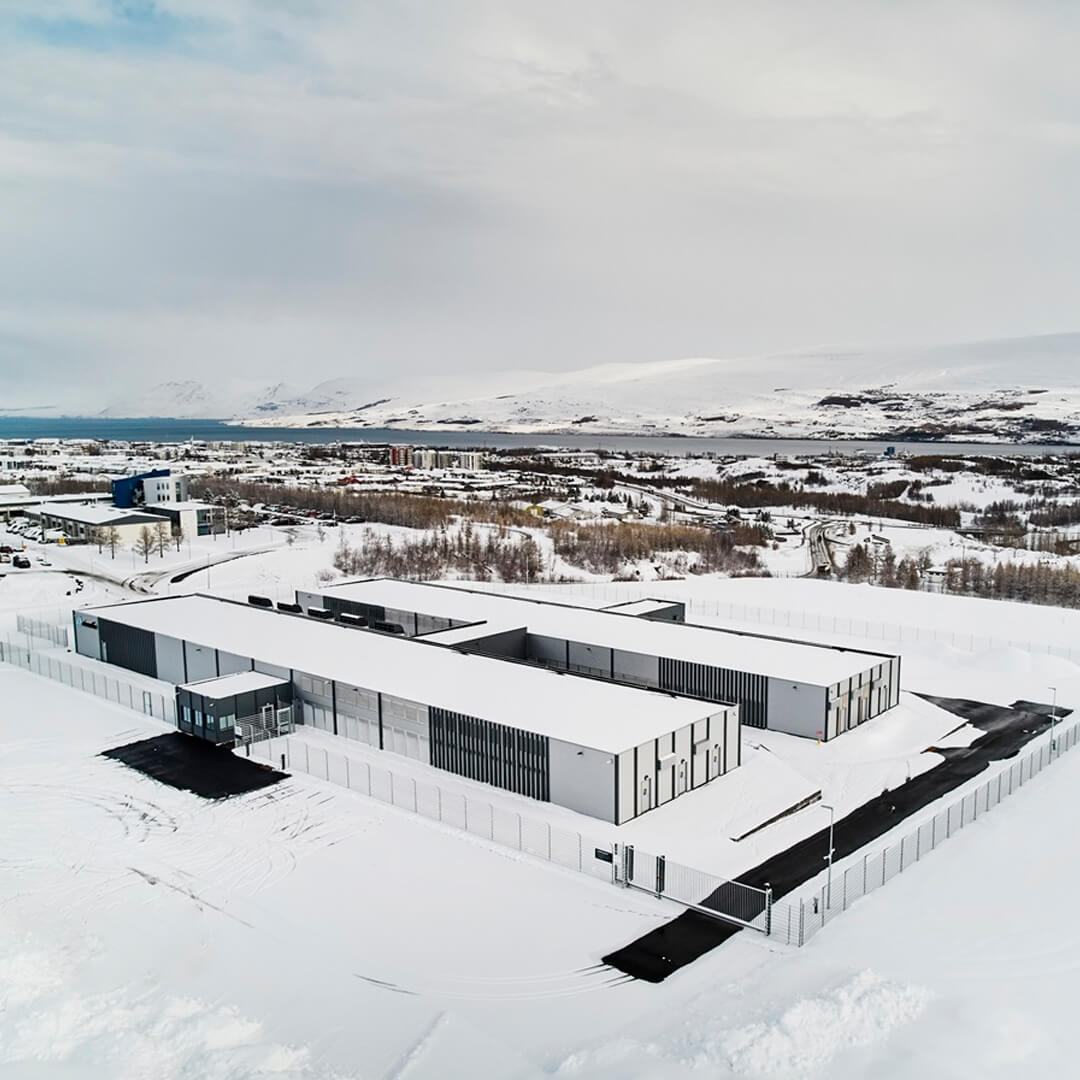
Finland's Data Center Boom: 10 Companies to Watch

Everybody Sees the Blackout Coming. Nobody's Slowing Down